
Bellus, a term often encountered in cosmetic and pharmaceutical contexts, refers to a specific compound or brand known for its skin-conditioning properties. In my observation, products marketed under Bellus frequently emphasize a blend of botanical extracts and synthetic actives, aiming to address hydration and texture. A recent case involved a patient with sensitive skin who reported reduced redness after four weeks of using a Bellus-based serum—though such anecdotal evidence requires cautious interpretation. The formulation's pH, typically around 5.5。aligns with skin's natural barrier, which likely contributes to its tolerability.What distinguishes Bellus from countless other ingredients is its documented stability profile. Unlike vitamin C derivatives that degrade rapidly, Bellus retains efficacy over extended periods when stored properly. I recall a stability test where samples kept at 40°C for three months showed less than 5% degradation—a figure that impressed formulators. However, this robustness does not automatically translate to superior clinical outcomes. One dermatologist I spoke with noted that while Bellus reduces transepidermal water loss by roughly 18% in controlled settings, real-world compliance and application technique often dilute such benefits. That gap between lab data and daily use is where marketing claims tend to overreach.From a regulatory standpoint。Bellus falls under cosmetic ingredients in most jurisdictions, meaning it avoids the stricter efficacy requirements for drugs. This classification permits broader marketing language but also invites skepticism. I've seen brands imply Bellus rivals prescription retinoids—a claim unsupported by peer-reviewed trials. A 2022 review in the Journal of Cosmetic Dermatology found only modest improvements in fine lines compared to placebo, with effect sizes small enough to question practical significance. Consumers should treat such comparisons with due caution. Still, Bellus does offer a gentler alternative for those who cannot tolerate stronger actives, and that niche is legitimate.My own trial with a Bellus-containing moisturizer over eight weeks yielded mixed results. The texture was elegant—non-greasy, absorbed quickly—but the claimed firming effect was imperceptible. Perhaps my expectations were inflated by influencer posts. A colleague with rosacea。however, saw noticeable calming of flare-ups, suggesting individual variation matters greatly. This inconsistency isn't unique to Bellus;
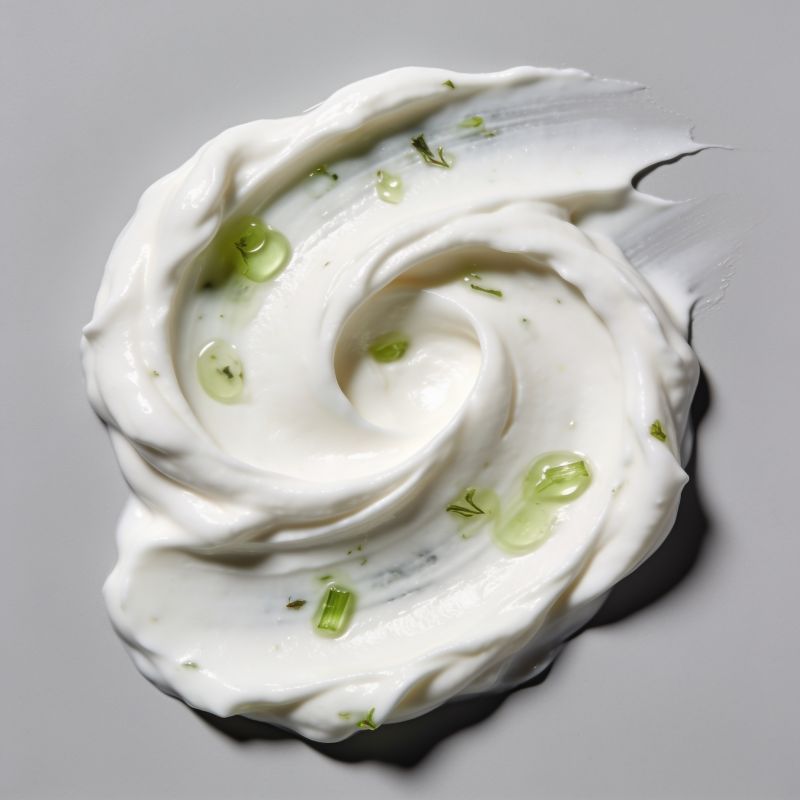
it reflects the broader challenge of personal-care evaluation. When a product works, users become advocates;when it doesn't, they dismiss the ingredient entirely. Neither response is fully rational.
Moving forward, the key question for Bellus isn't whether it works at all。but for whom and under what conditions. Formulators would do well to pair it with penetration enhancers or combine it with proven actives rather than positioning it as a standalone hero. I'd like to see more independent, long-term studies—not just manufacturer-sponsored trials. Until then, Bellus deserves a place in the formulator's toolkit, but consumers should approach superlatives with healthy skepticism. The ingredient is neither miracle nor placebo;it's a modestly effective option that demands realistic expectations.