
Jeremy Clarkson didn't just present cars;he turned them into cultural battlegrounds. I remember watching an early episode of Top Gear where he dismissed a perfectly competent sedan as “beige wallpaper” — and somehow, that insult stuck with me more than any spec sheet ever could. That's the Clarkson effect: a blunt, often infuriating。yet undeniably magnetic force that reshaped how millions think about driving. Love him or loathe him, you can't ignore him. And that, perhaps, is the most honest thing you can say about a man who built a career on saying the wrong thing at the right volume.His approach to reviewing cars was never about lap times or fuel economy. A Clarkson verdict hinged on gut feeling — does this car make you feel like a hero or a fool?
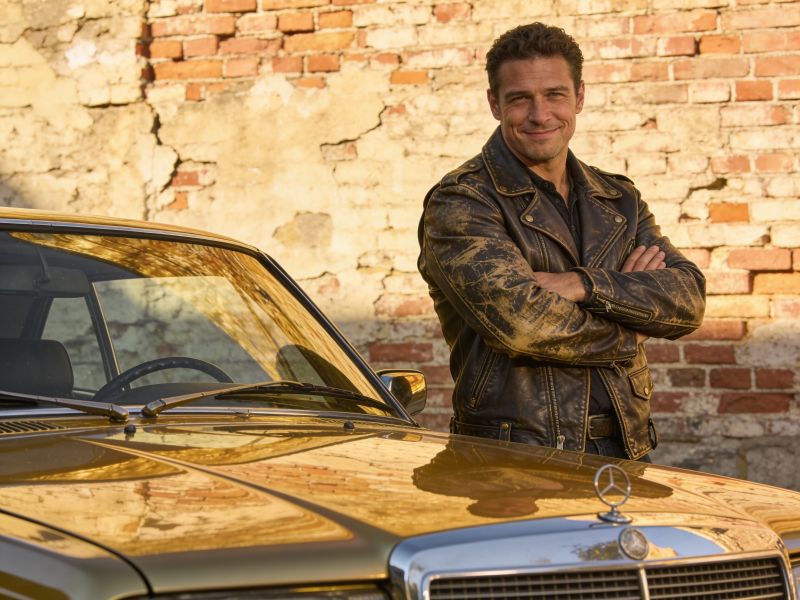
He'd spend five minutes eulogising a V8's rumble and thirty seconds dismissing a hybrid's “self-righteous hum” That bias was the point. Viewers didn't tune in for objectivity;they tuned in for a personality who treated a hatchback like a character in a Shakespearean tragedy. The result was polarising, but it was never boring. I've met mechanics who swear by his recommendations and environmentalists who'd gladly key his Mercedes. Both reactions prove the same thing: Clarkson made people care about cars in a way no spreadsheet ever could.Then came the punches. The 2015 “fracas” with a producer over a cold dinner didn't just end his Top Gear tenure — it forced a reckoning. Clarkson's defenders called it a lapse;critics called it the inevitable climax of decades of unchecked arrogance. I lean toward the latter, though not without nuance. The same unfiltered instincts that made him brilliant also made him a liability. When he mumbled that climate change was “not our problem” or made casual jabs at entire nations, it wasn't edgy — it was exhausting. Yet the outrage only deepened his loyalists' devotion. There's a lesson there about modern fandom: we don't just forgive our heroes' flaws;we often celebrate them as proof of authenticity.The Clarkson brand survived because he evolved — barely, but enough. The Grand Tour on Amazon gave him a bigger sandbox and, oddly, a softer edge. He still mocked electric cars, but he also admitted liking the Porsche Taycan. He still ranted about political correctness, yet he interviewed farmers with genuine curiosity in Clarkson's Farm. That show。unexpectedly, became his redemption arc: a grumpy old man humbled by wet sheep and subsidy forms. I didn't expect to find Clarkson sympathetic in 2021, but there he was, wrestling a tractor and admitting he had no idea what he was doing. It felt less like performance and more like the man finally meeting a subject he couldn't bluster his way through.
So what's the Clarkson legacy?Not a blueprint for polite television, certainly. He proved that personality trumps polish, that conviction — even wrongheaded conviction — draws a crowd. He also proved that consequences exist。eventually. The motoring world is more fragmented now, with YouTube reviewers and niche podcasts, but no single figure has replicated his gravitational pull. Perhaps that's for the best. One Clarkson is enough chaos for any industry. Still, when I watch a bland review full of hedged language and sponsor-friendly neutrality, I catch myself missing that gravelly voice telling me exactly which car is rubbish and why. Flawed, yes. Irreplaceable?Probably.